
Baroque art is one of the most emotionally powerful movements in the history of western art. It emerged in Europe around 1600 and lasted well into the 18th century, shaping everything from architecture to music to painting.
At its heart, baroque art is about drama. It uses light, shadow, movement, and intense human emotion to create images that pull you in and refuse to let go.
If you have ever looked at a Rembrandt portrait and felt something stir in your chest, you already understand what baroque art does at its best.
How Baroque Art Grew Out of the Renaissance
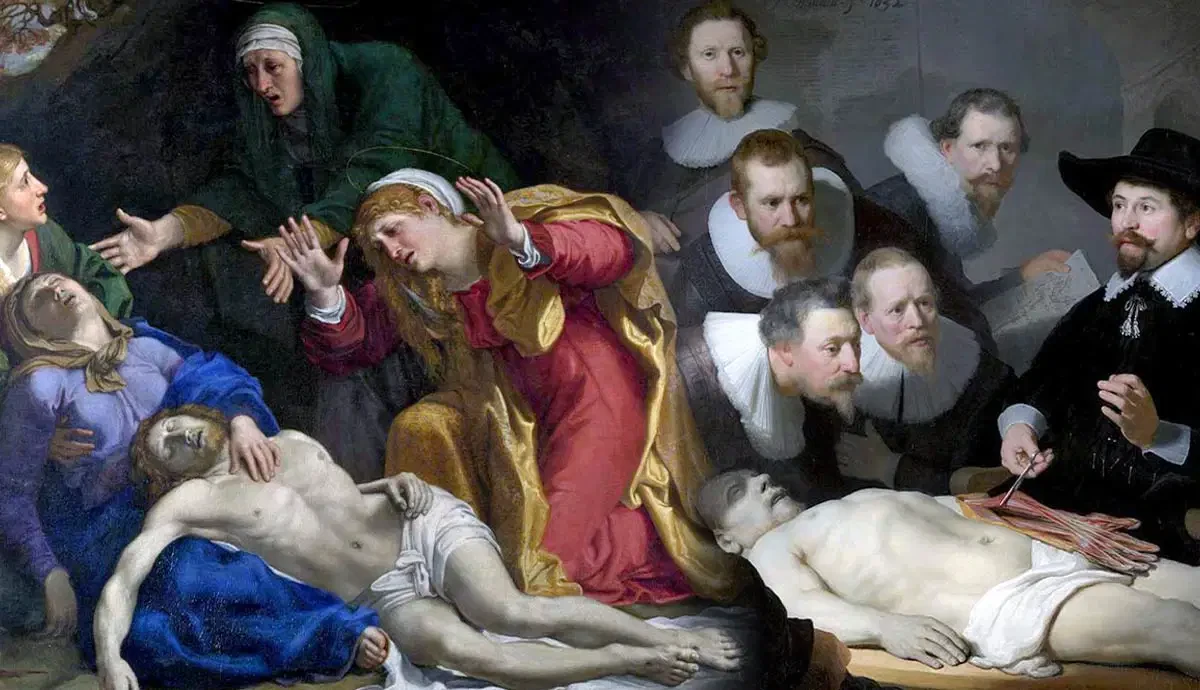
The roots of baroque art run deep into renaissance portrait traditions. Renaissance painters established the technical foundations: perspective, anatomy, realistic light. Baroque artists inherited all of that and then pushed it to its emotional limits.
Where renaissance painting often feels balanced and serene, baroque painting feels urgent and alive. The figures lean, reach, and gaze with an intensity that earlier styles rarely attempted.
This shift was not accidental. The baroque emerged partly as a response to the Protestant Reformation, with the Catholic Church using dramatic art to inspire faith and awe. The style spread quickly because it worked.
What Makes Baroque Portraiture So Distinctive?
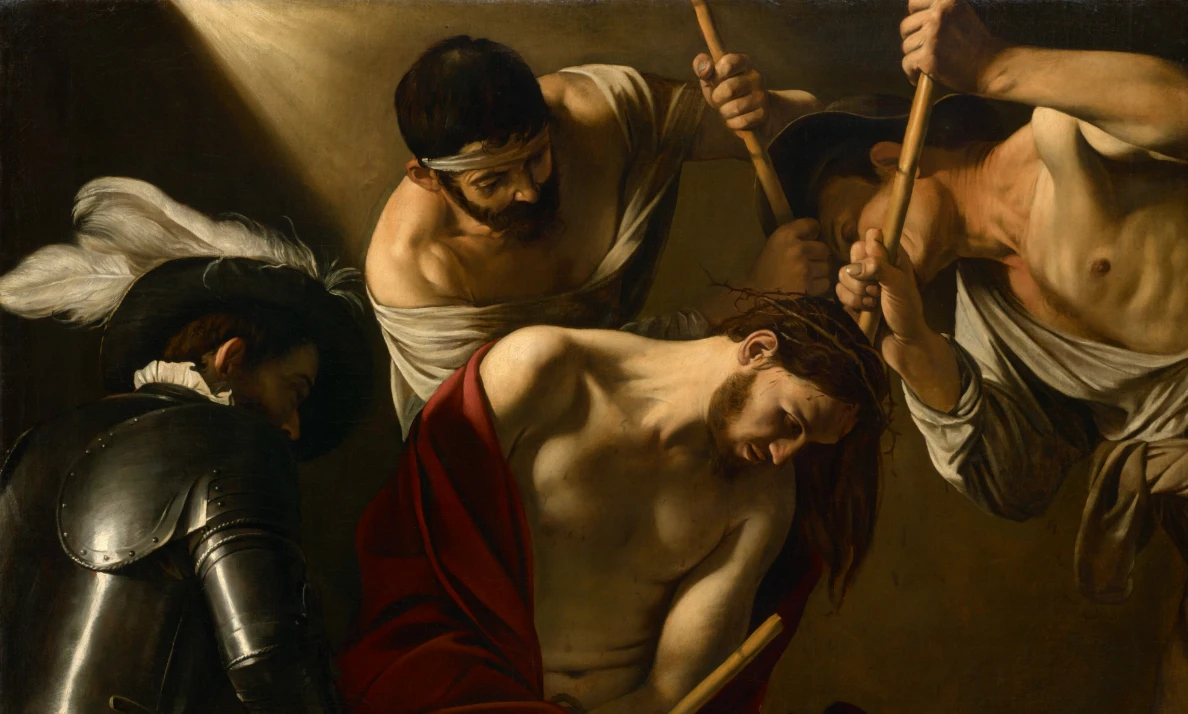
Baroque portraiture is defined by a technique called chiaroscuro, the strong contrast between light and dark. You see a face emerge from shadow, lit from one side, every texture of skin and fabric rendered with precision.
This approach was pioneered by Caravaggio in Italy and adopted throughout Europe, including in the work of the Dutch masters paintings tradition.
Baroque portraits also place enormous emphasis on psychological presence. The subject does not simply sit for the artist. They seem to think, to feel, to hold a thought just out of reach.
Flemish Baroque Art vs. Dutch Golden Age Painting
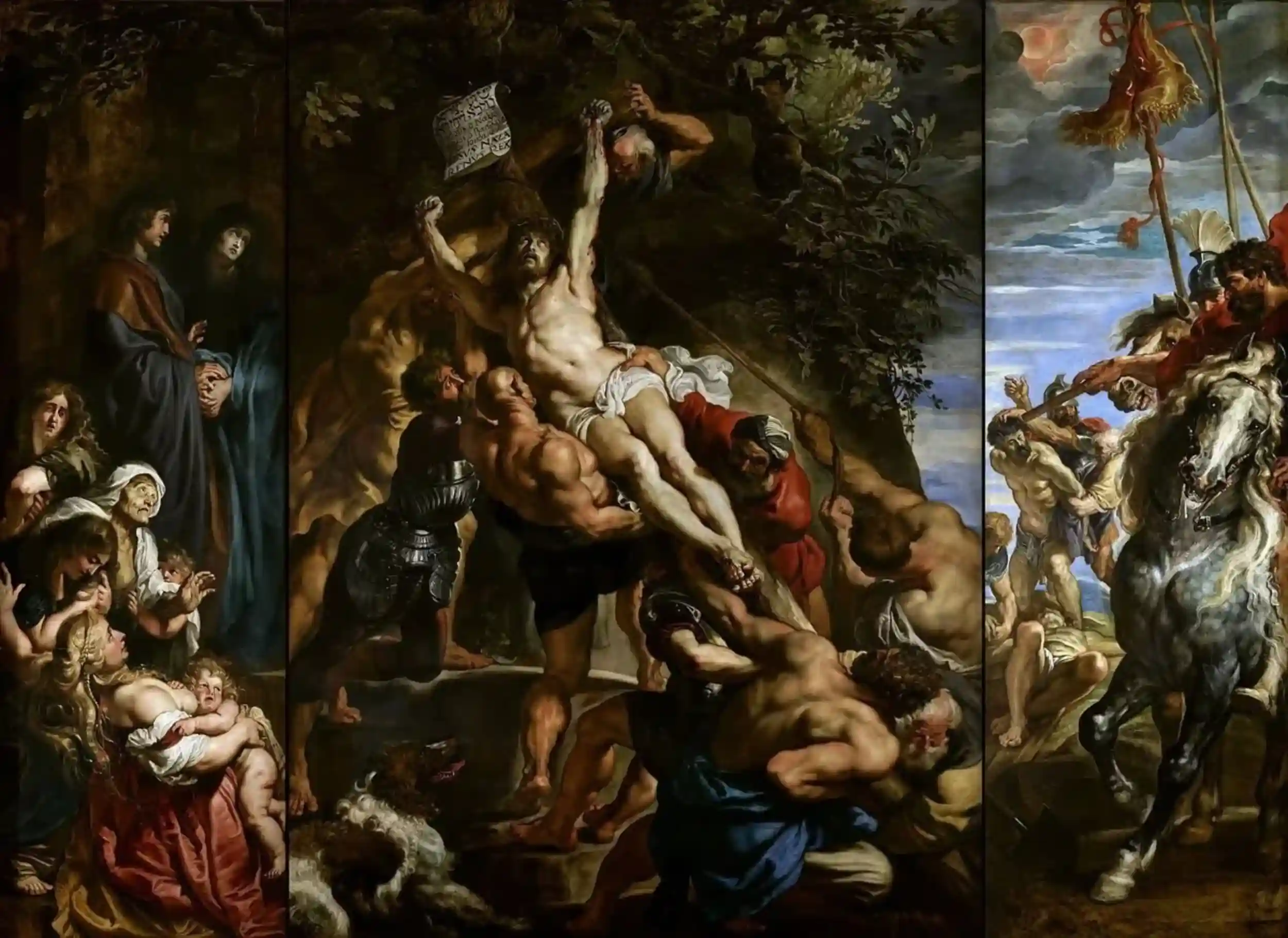
Flemish baroque art and Dutch golden age painting are closely related but distinct. Flemish masters like Peter Paul Rubens worked on a grand scale, filling enormous canvases with mythological scenes, swirling figures, and rich, saturated color.
Dutch painters, working in a more Protestant and commercially minded culture, often chose smaller formats and quieter subjects. A single face. A domestic interior. A moment of stillness.
Both fall under the broader umbrella of baroque art, and both shaped the history of western art in ways that still echo today. Understanding the differences helps you see each tradition more clearly, and appreciate what made each so remarkable.